Animal Farm and 1984: Two Warnings, One Reality
Posted by Warrior Poet Society on Jan 23rd 2026
George Orwell is widely known for his two most famous works: Animal Farm and 1984. They were flare shots fired into the future, meant to make thinking people uneasy. What’s unsettling is not how wrong Orwell was, but how right he turned out to be—but our modern moment feels less like one book or the other and more like a fusion of both.
We are not living exclusively in Animal Farm.
We are not living exclusively in 1984.
We are living in a blended system that borrows from each.
And that should concern anyone who considers themselves a warrior poet—someone who thinks deeply, acts deliberately, and is ready to protect the innocent whether from personal assault or tyranny.
Animal Farm: The Corruption of Power and the Lie of Equality
Animal Farm is not primarily about tyranny from above. It’s about betrayal from within.
The animals overthrow their human oppressors with noble ideals: equality, fairness, shared labor, shared reward. At first, the revolution feels just. Hope is high. The slogans are simple and inspiring.
But power consolidates, language shifts, and memory is manipulated. The pigs slowly separate themselves from the rest, claiming necessity, expertise, and moral superiority. Eventually, the revolution exists only in name. The ruling class becomes indistinguishable from the tyrants it replaced.
The lesson is brutal and timeless: Revolutions fail when power is centralized and accountability disappears.
In our modern world, this looks like elites who claim to speak for the people while living entirely apart from them. Institutions that begin as servants quietly become masters. Rules apply downward, never upward. “Equality” becomes a slogan used to justify inequality.
Animal Farm warns us that oppression does not always arrive wearing chains.
Sometimes it arrives wearing smiles, slogans, and promises.
“Rules for thee, but not for me.”
1984: Total Control Through Fear, Surveillance, and Language
If Animal Farm is about corruption, 1984 is about domination.
Here the enemy is not just corrupt rulers but a system designed to break the human spirit—surveillance is constant, privacy is gone, and truth is flexible. Language itself is weaponized to limit thought. History is rewritten daily, not to convince people of the truth, but to convince them that truth no longer exists.
In 1984, people internalize obedience. They learn to doubt their own memory. They practice doublethink: holding two contradictory beliefs at the same time and accepting both.
The goal goes beyond compliance; it’s submission of the mind.
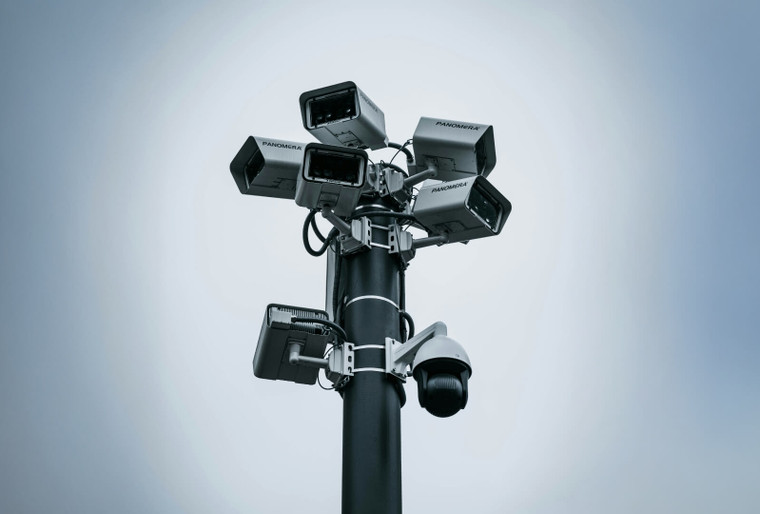
Modern parallels are impossible to ignore—digital surveillance, data tracking, algorithmic shaping of perception, narrative enforcement, and Public shaming as discipline. The erosion of objective truth give place to “your truth” and “our truth,” which conveniently aligns with power.
1984 warns us what happens when fear replaces courage and convenience replaces conviction.

The Modern Blend: Corruption Meets Control
What makes our era dangerous is not that it perfectly mirrors Orwell’s novels, but that it borrows selectively from both.
From Animal Farm, we inherit elite hypocrisy, moral posturing, and revolutions that gore gluttonously on their own ideals. From 1984, we inherit surveillance, narrative manipulation, and the soft coercion of constant observation.
Power today does not rely solely on force. It relies on compliance, distraction, and moral confusion. People are encouraged to trade freedom for safety, truth for comfort, and responsibility for dependence.
This hybrid system doesn’t need jackboots in the streets if it can convince citizens to police themselves.
The Warrior Poet’s Responsibility
The warrior poet stands at the intersection of strength and conscience. Orwell’s warnings are not meant to turn us into cynics, but into guardians.
A warrior poet resists false equality that demands submission.
A warrior poet resists false safety that demands silence.
A warrior poet defends truth, even when it costs social comfort.
Most importantly, a warrior poet refuses to outsource moral responsibility to institutions, movements, or slogans.
Orwell understood something fundamental: tyranny thrives not just on cruelty, but on apathy and forgetfulness. The antidote is vigilance, courage, and moral clarity.
Why These Warnings Still Matter
Animal Farm reminds us to watch who benefits from “progress.” 1984 reminds us to watch who controls the narrative.
Together, they remind us that freedom is fragile, truth must be defended, and power must always be questioned—especially when it claims to act in our best interest.
Remember, Train Hard. Train Smart. And stand fast to the traditional principles of freedom and liberty that birthed our nation.